
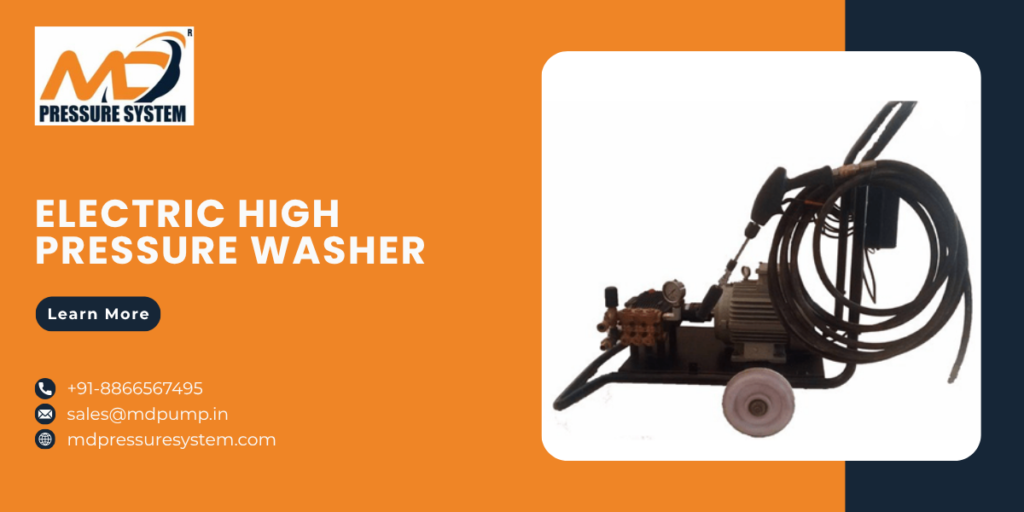
Pressure testing is an important process in industries where equipment and components must withstand specific operating pressures. Products such as pressure vessels, boilers, gas cylinders, tubes, pipes and valves may require testing to evaluate their pressure resistance and identify possible leakage. An Electric Hydrostatic Test Pump provides a controlled water-based method for carrying out these testing operations.
Electric-operated pressure testing equipment is used in industrial facilities and field applications where a suitable electrical supply is available. Selecting the right machine requires an understanding of the test requirements, pressure range, flow capacity, power supply and equipment configuration.
What Is an Electric Hydrostatic Test Pump?
An electric hydrostatic test pump is a pressure testing machine powered by an electric motor. It supplies pressurized water to a component or system being tested. During hydrostatic testing, water is used as the testing medium to evaluate the pressure resistance and leak-tightness of the equipment under specified test conditions.
Unlike equipment intended for surface cleaning, a hydrostatic pressure test pump is designed for diagnostic and pressure testing applications. It helps users carry out testing procedures on products that are required to withstand defined pressure conditions.
MD Pressure System manufactures electric pressure test pumps for industrial testing requirements. Its product information describes applications involving pressure vessels, boilers, casting parts, gas cylinders, tubes, pipes and valves.
How Does an Electric Pressure Test Pump Work?
An electric pressure test pump uses an electric motor to operate the pumping mechanism and deliver water into the testing system. The pressure is increased according to the test requirements and the machine’s operating specifications.
A typical hydrostatic testing process involves the following stages:
- Prepare the component: Inspect the equipment that needs to undergo pressure testing and ensure it is suitable for the planned test.
- Fill with water: Fill the test component or system with the specified testing medium and remove trapped air according to the approved procedure.
- Connect the pump: Connect the electric hydrostatic test pump using suitable pressure-rated hoses, fittings and connections.
- Check the setup: Verify the pressure gauge, connections, electrical supply and safety arrangements.
- Increase pressure: Operate the pump to raise the pressure gradually according to the approved testing procedure.
- Monitor the test: Observe the pressure readings and inspect for leakage or other signs of failure.
- Release pressure safely: Depressurize the system using the approved procedure before disconnecting equipment.
Testing pressure, holding time and acceptance criteria must be established by the applicable standard, engineering requirements and authorized testing procedure.
Industrial Applications of Electric Hydrostatic Test Pumps
Electric hydrostatic test pumps are used in different industries where pressure resistance and leakage evaluation are important. The appropriate machine depends on the component being tested and the required test conditions.
1. Pressure Vessel Testing
Pressure vessels are designed to contain fluids or gases under pressure. Hydrostatic testing helps evaluate their ability to withstand the specified test pressure. An electric pressure test pump can be used as part of a suitable testing arrangement for these applications.
2. Boiler Pressure Testing
Boilers contain pressure-bearing sections that require appropriate inspection and testing. Hydrostatic testing can be performed as part of the applicable inspection and maintenance procedure to evaluate the pressure integrity of the equipment.
3. Gas Cylinder Testing
Gas cylinders are pressure-containing products that require suitable testing procedures. A hydrostatic pressure testing arrangement can be used to evaluate their response under specified water pressure conditions.
4. Pipe and Tube Testing
Pipes and tubes used in industrial installations may require pressure testing before commissioning or as part of quality control. An electric hydrostatic test pump can supply pressurized water to the test setup according to the required specifications.
5. Valve Testing
Industrial valves may require pressure testing to evaluate their pressure resistance and sealing performance. The test setup should be selected according to the valve type, pressure rating and applicable testing requirements.
6. Casting Part Testing
Certain casting components may require pressure testing to identify leakage or defects that could affect their intended use. Suitable hydrostatic testing equipment can be used where the component design and testing procedure allow water-based pressure testing.
Product Specifications of MD Pressure System Electric Pressure Test Pump
Before selecting an Electric Pressure Test Pump, buyers should review the machine specifications and confirm whether they meet the intended testing requirements.
The published product information from MD Pressure System includes the following details:
- Power Source: Electric Motor
- Phase: Three Phase
- Voltage: 415 V
- Power: Up to 10 HP
- Pressure: Up to 200 Bar (20 MPa)
- Speed: 1450 RPM
- Flow Rate: Up to 14 LPM
- Automation Grade: Semi-Automatic
- Warranty: 1 Year
- Minimum Order Quantity: 1 Set
These specifications are taken from the published product details. The exact configuration, pressure range and flow requirements should be confirmed with the manufacturer before ordering.
Electric vs. Engine-Driven Hydrostatic Test Pumps
Hydrostatic test pumps can be configured with different drive systems depending on the working environment and available power source.
Electric Motor-Driven Pumps
Electric-operated hydrostatic test pumps use an electric motor to drive the pumping mechanism. They are suitable for installations where a compatible electrical supply is available. The MD Pressure System product page describes its electric-operated equipment as portable and suitable for on-field testing applications.
Engine-Driven Pumps
Engine-driven configurations may be considered where the required electrical supply is unavailable or where the testing arrangement calls for an independent power source. The appropriate drive configuration depends on the testing location and equipment requirements.
Before choosing either option, buyers should confirm the required pressure, flow, power source, portability and operating conditions with the equipment manufacturer.
How to Select Suitable Pressure Testing Equipment
Choosing suitable Pressure Testing Equipment requires careful evaluation of the component and its testing requirements. A machine should not be selected only on the basis of its maximum pressure rating.
- Identify the test component: Determine whether the equipment will be used for pressure vessels, boilers, cylinders, tubes, pipes, valves or casting parts.
- Confirm the required test pressure: Establish the pressure according to the applicable testing standard and engineering specifications.
- Review flow capacity: Consider the volume of the system being tested and the required filling and pressurization process.
- Check the power supply: Confirm the availability of a compatible electrical supply for the selected motor configuration.
- Evaluate portability: Consider whether the pump will be used in a fixed installation or moved between different testing locations.
- Check pressure-rated accessories: Ensure that hoses, fittings, valves and gauges are suitable for the intended test pressure.
- Review safety arrangements: Confirm that pressure relief, isolation and safe depressurization arrangements are available.
- Discuss the final configuration: Share the test requirements with the manufacturer before finalizing the machine.
Why Is Hydrostatic Testing Important?
Hydrostatic testing is an important method of evaluating pressure-containing equipment. When performed under an approved procedure, it can help identify leakage and assess whether the component withstands the specified test conditions.
Its importance can be understood through the following points:
- Leakage evaluation: Helps identify leakage during the prescribed test procedure.
- Pressure resistance assessment: Evaluates the component under a defined test pressure.
- Quality control: Supports testing and inspection processes during manufacturing.
- Maintenance activities: Can form part of periodic inspection and maintenance procedures where required.
- Documentation: Test readings and results can be recorded as part of the applicable quality and inspection process.
Safety Considerations During Hydrostatic Testing
Pressure testing involves stored energy and can create serious hazards if equipment is operated incorrectly. A safe testing arrangement must be prepared before pressure is applied.
- Follow the applicable testing standard and approved operating procedure.
- Use pressure-rated hoses, fittings, gauges and connections.
- Inspect the equipment and test component before starting.
- Remove trapped air from the system according to the testing procedure.
- Keep unauthorized personnel away from the testing area.
- Never attempt to tighten or disconnect a pressurized connection.
- Monitor pressure readings throughout the test.
- Release pressure safely before opening or disconnecting the system.
- Use suitable protective equipment and follow site safety requirements.
Explore Other Industrial Pumping Equipment
Different industrial applications require different pump configurations. Businesses looking for equipment for water jetting and industrial cleaning can explore the High Pressure Hydro Jetting Pump, which is described for tube and pipe cleaning applications.
For sewer and drainage cleaning requirements, MD Pressure System also offers a High Pressure Sewer Jetting Pump.
Businesses involved in external surface cleaning can explore the Hydro Blasting Machine range for industrial water blasting applications.
Why Consider MD Pressure System?
MD Pressure System manufactures hydrostatic pressure testing pumps and other high-pressure pumping equipment. Its electric-operated pressure test pump is described for diagnostic testing applications involving pressure vessels, boilers, casting parts, gas cylinders, tubes, pipes and valves.
The product information includes a three-phase electric motor configuration, pressure up to 200 bar, flow rate up to 14 LPM and power up to 10 HP. Buyers can discuss their test requirements with the company to confirm the appropriate machine configuration.
Frequently Asked Questions
What is an Electric Hydrostatic Test Pump used for?
It is used to supply pressurized water for testing pressure vessels, boilers, gas cylinders, pipes, tubes, valves and other suitable pressure-containing components.
What is the maximum pressure of the MD Pressure System electric pressure test pump?
The published product specifications mention pressure up to 200 bar (20 MPa).
What is the flow rate of the electric pressure test pump?
The product information lists a flow rate of up to 14 LPM.
What power supply does this pump require?
The listed configuration is a three-phase electric motor with a voltage of 415 V. Buyers should confirm the exact electrical requirements before installation.
Can an electric hydrostatic test pump be used for field testing?
The product description mentions that the electric pressure test pump can be used for on-field testing applications. The suitability depends on the site facilities and the required testing arrangement.
Conclusion
An electric hydrostatic test pump is an important piece of equipment for industrial pressure testing applications. It helps supply pressurized water for evaluating pressure-containing components such as vessels, boilers, gas cylinders, tubes, pipes and valves.
Before selecting a machine, buyers should consider the test pressure, flow capacity, electrical supply, component requirements and safety arrangements. MD Pressure System offers electric-operated pressure testing equipment with published specifications of up to 200 bar pressure and up to 14 LPM flow rate.
To discuss your industrial pressure testing requirements and confirm the suitable equipment configuration, visit the MD Pressure System Contact Us page.
 Users Today : 4
 Users This Month : 269
 Total Users : 299