
High Pressure Cleaning Machine: Types, Uses, Benefits and How to Choose the Right One
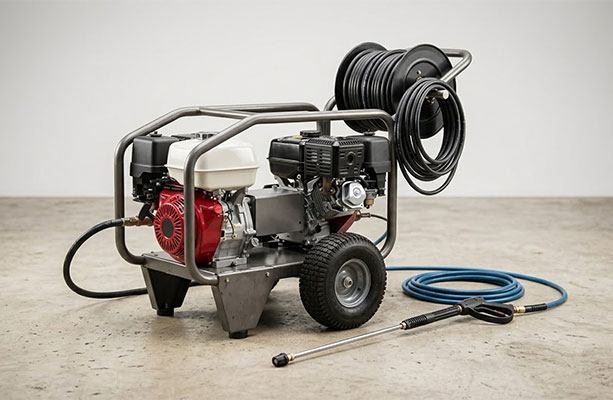
Cleaning large industrial surfaces, machinery, vehicles, floors and equipment can be time-consuming when conventional cleaning methods are used. A High Pressure Cleaning Machine makes this work faster and more effective by using a powerful stream of pressurized water to remove dirt, grease, mud, oil, dust and other contaminants.
Today, pressure cleaning equipment is available in different configurations, including electric, engine-driven and heavy-duty industrial models. Choosing the right machine depends on factors such as pressure, flow rate, power source, cleaning application and operating environment.
What Is a High Pressure Cleaning Machine?
A high pressure cleaning machine is equipment designed to deliver water at significantly higher pressure than a conventional water supply. The machine uses a motor or engine to drive a high-pressure pump, which forces water through a specialized nozzle.
The resulting water jet provides concentrated cleaning power and can remove stubborn deposits from surfaces with considerably less manual effort.
These machines are commonly used in automobile washing, industrial cleaning, construction equipment cleaning, manufacturing facilities, workshops, commercial spaces and maintenance operations.
How Does a High Pressure Cleaner Work?
The basic working principle is relatively simple. Water enters the machine through an inlet and is supplied to a high-pressure pump. A motor or engine powers the pump, which increases the water pressure. The pressurized water then travels through a high-pressure hose and exits through a suitable spray nozzle.
Different nozzle configurations can produce different spray patterns and cleaning intensities. This allows operators to select an appropriate setting for delicate surfaces, general cleaning or demanding industrial applications.
Types of High Pressure Cleaning Machines
Different cleaning environments require different machine configurations. Some of the commonly used options include the following.
Electric High Pressure Cleaner
An Electric High Pressure Cleaner is suitable for locations where a reliable electrical power supply is available. These machines are commonly used in workshops, vehicle washing facilities, commercial premises and general industrial cleaning.
They are generally convenient to operate and are well suited for applications where low-emission indoor operation is preferred.
3 Phase Electric High Pressure Cleaner
A 3 Phase Electric High Pressure Cleaner is designed for demanding applications where a three-phase electrical supply is available. Three-phase systems can support powerful motors and are commonly selected for continuous or heavy-duty cleaning operations.
These machines can be used for cleaning industrial machinery, production areas, floors, vehicles and other large surfaces.
3 Phase Industrial Pressure Washer
A 3 Phase Industrial Pressure Washer is developed for industrial environments where cleaning performance and operational reliability are important. These machines can be used in manufacturing plants, engineering workshops, automobile service facilities, warehouses and other commercial locations.
Depending on the configuration, they can deliver high pressure and flow rates required for removing stubborn contamination.
Engine Driven High Pressure Cleaner
An Engine Driven High Pressure Cleaner uses a petrol or diesel engine instead of depending on an electrical connection. This makes it useful for outdoor locations, construction sites, agricultural operations and remote areas where electrical power may not be readily available.
Engine-driven machines can provide strong cleaning performance while offering greater mobility between different work locations.
10000 PSI Electric Pressure Washer
For particularly demanding cleaning applications, a 10000 PSI Electric Pressure Washer can provide extremely high-pressure water output. Such equipment is intended for specialized applications where conventional pressure washers may not provide sufficient cleaning force.
High-pressure systems should always be selected according to the surface, contamination level and manufacturer’s operating recommendations because excessive pressure can damage unsuitable materials.
High Pressure Car Washer Machines
Vehicle cleaning is one of the most common applications of pressure washing equipment. A High Pressure Car Washer uses pressurized water to remove mud, road dust, grease and other deposits from vehicle surfaces.
A properly selected High Pressure Car Washer Machine can make vehicle cleaning faster while reducing the amount of manual scrubbing required. Depending on the machine and accessories, pressure washing can be used for cars, commercial vehicles, trucks, buses and other automobiles.
The pressure should be adjusted according to the vehicle surface and cleaning requirement. Excessive pressure or an unsuitable nozzle can potentially damage paint, seals or other sensitive components.
Single Phase Heavy Duty Car Washer
A Single Phase Heavy Duty Car Washer is a practical choice for garages, car washing businesses, workshops and smaller commercial facilities that have access to a standard single-phase electrical supply.
Despite using a single-phase power connection, these machines can be designed for demanding vehicle cleaning applications. Their suitability depends on the required pressure, water flow, duty cycle and cleaning frequency.
High Pressure Jet Cleaners and Their Applications
High Pressure Jet Cleaners are useful where concentrated water pressure is required to remove difficult contamination. The focused water jet can help clean industrial equipment, concrete floors, machinery components, vehicles and other hard surfaces.
Common applications include:
- Automobile and commercial vehicle washing
- Industrial machinery cleaning
- Factory floor cleaning
- Workshop and garage cleaning
- Construction equipment cleaning
- Agricultural equipment cleaning
- Oil and grease removal
- Commercial building maintenance
- Heavy equipment cleaning
- General industrial maintenance
Common Applications of High Pressure Washers
High Pressure Washers are used across a wide range of industries because they can provide efficient cleaning with controlled water pressure.
In automobile workshops, they help remove mud, dust and grease from vehicles. Manufacturing facilities can use them for machinery and floor cleaning, while construction companies may use pressure washers for equipment and site maintenance.
They are also useful in agriculture, transportation, hospitality, commercial maintenance and other industries where regular cleaning is required.
Benefits of Using a High Pressure Cleaning Machine
A properly selected pressure cleaning system offers several practical advantages.
Faster Cleaning
High-pressure water can cover large surfaces quickly and remove stubborn contamination more efficiently than conventional manual cleaning.
Reduced Manual Effort
The concentrated water stream reduces the need for extensive scrubbing, helping operators complete routine cleaning tasks with less physical effort.
Versatile Applications
With appropriate pressure settings, hoses and nozzles, the same machine can often be used for different cleaning requirements.
Effective Removal of Stubborn Dirt
Oil, grease, mud, dust and accumulated deposits can often be removed more effectively using pressurized water.
Improved Cleaning Consistency
A pressure washer can provide a more consistent cleaning process when operated correctly, which is particularly useful for commercial and industrial applications.
How to Choose the Right Pressure Washer?
Selecting the right machine requires more than simply choosing the highest pressure available. Consider the following factors before purchasing equipment.
Required Pressure
Determine how much pressure the application actually requires. Light vehicle cleaning and heavy industrial cleaning may require very different pressure levels.
Water Flow Rate
Pressure is only one part of cleaning performance. Water flow rate also affects how quickly dirt and debris can be removed from a surface.
Power Source
Choose between electric and engine-driven models based on the availability of electricity and the intended operating environment.
Single Phase or 3 Phase
For locations with a suitable three-phase electrical supply, a three-phase machine may be appropriate for heavy-duty applications. Single-phase equipment can be more practical for smaller workshops and vehicle washing facilities.
Cleaning Application
Consider whether the machine will primarily be used for vehicles, machinery, floors, construction equipment or general maintenance.
Duty Cycle
If the equipment will operate for extended periods, select a machine designed for the expected operating frequency and workload.
Accessories
Hoses, spray guns, nozzles, foam systems and other accessories can significantly affect the machine's usability for different cleaning tasks.
Maintenance Tips for High Pressure Cleaning Machines
Regular maintenance helps maintain cleaning performance and extend equipment life.
- Check the water inlet and filter regularly.
- Inspect high-pressure hoses for damage.
- Keep spray nozzles clean and free from blockages.
- Follow the manufacturer’s pump maintenance recommendations.
- Check electrical connections on electric models.
- Inspect engine oil and fuel systems on engine-driven models.
- Avoid operating the pump without an adequate water supply.
- Store hoses and accessories properly after use.
- Follow the recommended service schedule.
Safety Considerations
High-pressure water can cause serious injury if directed toward people or animals. Operators should use appropriate protective equipment and follow the manufacturer’s safety instructions.
Never point the spray gun toward people, electrical components or unsuitable surfaces. Before selecting a high-pressure machine, verify that the pressure and accessories are appropriate for the material being cleaned.
Conclusion
A High Pressure Cleaning Machine can significantly improve the speed and effectiveness of cleaning operations across automotive, industrial, commercial and construction applications. From an Electric High Pressure Cleaner for workshops to a 3 Phase Industrial Pressure Washer for demanding industrial environments, different machine configurations are available for different requirements.
For vehicle washing, options such as a High Pressure Car Washer Machine or Single Phase Heavy Duty Car Washer can provide practical cleaning performance. For remote or outdoor applications, an Engine Driven High Pressure Cleaner may be more suitable, while specialized high-pressure systems can handle particularly demanding cleaning tasks.
The best machine is not necessarily the one with the highest pressure. Pressure, flow rate, power source, duty cycle, application and accessories should all be considered to select equipment that delivers effective and safe cleaning performance.
Frequently Asked Questions
A high pressure cleaning machine is used for removing dirt, mud, grease, oil, dust and other contaminants from vehicles, machinery, floors, equipment and various hard surfaces.
Electric models require an electrical power supply and are commonly used in workshops and fixed locations. Engine-driven models use petrol or diesel engines and are useful where electricity is unavailable or mobility is required.
Yes. A 3 phase pressure washer can be suitable for demanding industrial cleaning applications, particularly where a three-phase electrical supply is available and continuous or heavy-duty operation is required.
A 10000 PSI pressure washer is intended for specialized high-pressure applications requiring substantial cleaning force. The pressure must be matched carefully to the surface and application to avoid damage.
Yes. A properly configured pressure washer can be used for car washing. The correct pressure, nozzle and spray distance should be selected to protect vehicle paint, seals and other sensitive components.
Consider the required pressure, water flow rate, power source, cleaning application, duty cycle, portability and available accessories before selecting a machine.